
Who will adopt North Carolina’s abandoned roads?
North Carolina’s orphan roads issue has long been brewing under the radar, but the state's rapid population growth is shedding light on this problem. Orphan roads, lacking clear owners and not maintained by municipalities, exist in subdivisions with homeowners' associations or road maintenance agreements, causing confusion and financial burdens for homeowners. The lack of road turnover to cities or counties results in roads not meeting required standards, making them ineligible for state takeover. Many potential homebuyers are now aware of this situation, as the North Carolina Real Estate Commission's disclosure forms do not include this information. The North Carolina Department of Transportation imposes density requirements and specific conditions for road maintenance, disqualifying many orphan roads from meeting these criteria. Consequently, hundreds of miles of rural roads and streets across the state are left unattended and unclaimed, earning the moniker "orphan roads." Notably, North Carolina is one of five states where most non-city local governments do not have their own road departments, worsening the challenges of addressing the orphan roads issue. As the state's population continues to grow, the urgency to find solutions to this problem escalates.

Proposed Bill Would Extend FEMA Aid to Condos, Co-ops, & HOAs
Congress is currently reviewing the proposed Disaster Assistance Fairness Act, which seeks to address disparities in Federal Emergency Management Agency (FEMA) recovery assistance provided after natural disasters. The bill aims to extend FEMA aid to HOAs, co-ops, and condos, offering essential support like roof repairs and debris removal, similar to what single-family homeowners currently receive. Presently, shared interest communities often do not qualify for federal disaster aid, hindering their ability to rebuild homes and communities. The bill, known as H.R. 3777, proposes amending the Robert T. Stafford Disaster Relief Act to include critical common elements of community associations under FEMA's Federal Assistance to Individuals and Households Program. Additionally, H.R. 3777 would make HOAs and cooperatives eligible for FEMA's assistance in debris removal after major disasters. The bill has garnered support from national organizations advocating for multifamily homeowners and boards. According to Thomas M. Skiba, CEO of the Community Associations Institute, this act will provide crucial access to FEMA's recovery resources, enabling condominium and cooperative buildings to be restored to habitable conditions after various natural disasters.

Pickleball Noise Is Fueling Neighborhood Drama from Coast to Coast
The rapid rise of pickleball, a sport that has experienced a surge in popularity during the pandemic, is causing a nationwide issue of noise complaints, petitions, and lawsuits from homeowners against municipalities and HOAs. The distinctive and incessant popping noise generated during pickleball games has become a point of conflict. USA Pickleball reported a significant increase in players, with about 4.8 million Americans engaging in the sport in 2020, marking a nearly 40% rise in just two years. The sport's accessibility and low entry barrier have contributed to its democratization, as it requires minimal investment and time to learn the rules and basic strokes. However, researchers have found that the noise produced when a solid pickleball paddle strikes the hard plastic wiffleball-like balls can exceed 25 decibels louder than the sound of a tennis ball being hit by a Wilson racket. Various solutions have been proposed to mitigate the noise impact, including windscreen and wooden fencing installations, free monthly pickleball workshops, and reduced usage fees. However, implementing soundproof barriers and introducing new paddles and balls designed to reduce noise may prove costly, unpopular, or impractical. As the sport continues to grow in popularity, finding a balance between accommodating players' enthusiasm and addressing noise-related concerns remains a challenge for communities across the country.

For Co-op and Condo Boards, Many Paths to Electrification
New York City's impending carbon emissions law has co-op and condo boards exploring different approaches to electrification, utilizing clean electricity to meet the 2024 caps requirement. The substantial cost of electrification, which can range from $10,000 to $40,000 per apartment when accounting for boiler replacements and other expenses, has led experts to advocate for a more gradual and cost-effective approach. Rather than immediately adopting heating electrification, industry leaders emphasize starting with energy-efficient measures like roof insulation. Beyond the cost concerns, co-op and condo boards have another compelling reason to embrace gradual electrification. As heat pumps and other electrification technologies become more widely adopted, economies of scale are expected to kick in, resulting in reduced costs over time. The consensus among experts is that energy efficiency should be the primary focus, enabling co-op and condo buildings to lay the groundwork for a more sustainable future. Electrification is seen as a longer-term strategy, with multifamily buildings potentially starting by electrifying their hot water systems before addressing heating, as the technology involved is more manageable and adaptable. With carbon regulations approaching, co-op and condo boards are carefully weighing their options to strike a balance between environmental responsibility and financial practicality.

Scottsdale Homeowners Association Tests Out Not Overseeding and Saw Major Benefits
Scottsdale, Arizona, is taking significant strides towards water conservation with a new initiative encouraging residents and businesses to skip overseeding this fall. As part of this effort, one proactive HOA took the lead last season and achieved remarkable success. In the past, homeowners and HOAs traditionally overseeded their lawns in September and October. However, last year, a Scottsdale HOA made a bold decision to deviate from the norm and abstain from overseeding. The outcomes were astounding, as the community successfully saved an impressive 1.5 million gallons of water. Beyond the financial benefits reaped by the HOA, the decision to skip overseeding also made a substantial contribution to environmental conservation. Scottsdale Water highlights that approximately 70% of residential water usage is dedicated to outdoor activities, making timely water-saving strategies critical. The HOA intends to continue to forego overseeding in subsequent seasons, championing water conservation in their community. In alignment with this proactive stance, Scottsdale Parks and Recreation is leading by example and committing to reduce overseeding in the city's parks. Their aim is to inspire other HOAs to follow suit and collectively contribute to the city's water conservation efforts. By adopting these sustainable practices, Scottsdale residents and organizations are playing an active role in preserving the region's precious water resources. With water conservation becoming increasingly critical, the community's united efforts serve as a significant step towards a more sustainable future.

State Farm is Outta There: Insurance Company Will Stop Accepting Applications for New Properties in California
In a recent development, State Farm has made an announcement stating that they are no longer accepting applications for any insurance policies in California. Simultaneously, Allstate has taken a cautious approach by "pausing" new homeowners’ insurance and HOA insurance policies to safeguard the interests of existing customers. The decision comes amid the backdrop of soaring property insurance rates in California, prompting HOAs to explore alternative options like the "bare walls" approach. With the "bare walls" approach gaining traction, HOAs are contemplating a shift towards obtaining insurance that restores damaged homes to a shell condition, leaving the responsibility for interior buildouts to homeowners. However, experts advise that before making such a significant change, HOAs should gather bare walls quotes, seek legal counsel, and take other beneficial steps to ensure a smooth transition. Typically, most condominiums insure the entire building and its contents as stipulated by the CC&Rs. Additionally, attached, planned development HOAs, where homeowners own both the structures and the land underneath, but the homes are interconnected in a townhome or patio homestyle, also follow a similar practice of insuring the entire building and interiors. As the California insurance landscape evolves, HOAs are proactively assessing their options to best protect their communities and navigate the complexities of the current insurance market. The decisions made by State Farm and Allstate are sending ripples through the industry, prompting a careful evaluation of insurance plans to ensure the continued well-being of homeowners and their properties.

Florida high-rise condo owners feel financial pinch with rising HOA fees and insurance costs
High-rise condominiums in Florida are having financial hardships as new structural mandates and soaring insurance costs take a toll on their budgets. Recently, individual condo homeowners with Citizens Property Insurance received a jolt when they were mandated to obtain flood coverage for their units, regardless of being as high as 10 stories above ground. The requirement for Citizens’ condo flood insurance was passed during last year's second legislative special session on property insurance. A spokesperson for Citizens explained that the separate flood insurance measure aims to mitigate potential litigation disputes between wind and flood damage in future storms. The state-backed insurer now oversees just under 1.2 million policies. For condo homeowners, this new mandate means added expenses, further burdening their finances. The increase in flood coverage costs has been noticeable, with one high-rise HOA board member stating that their building's flood insurance premium surged by 14%, rising from $97,000 to $110,000 between 2021 and 2022. Additionally, their property insurance premiums skyrocketed by a staggering 77%, surging from $106,000 to $187,000 during the same period. The Surfside Condo Collapse tragedy in 2021, which claimed nearly 100 lives, triggered Florida lawmakers to pass Senate Bill 4D. This bill now requires milestone inspections for condominiums, ensuring safety measures are in place. Furthermore, it mandates that each association maintains sufficient reserves to cover any necessary repairs identified during the inspections. Amid these challenges, high-rise condo communities in Florida are navigating a precarious financial landscape while prioritizing the safety and well-being of their residents. The ongoing efforts to comply with new mandates and manage escalating insurance costs underscore the urgency to address the complexities of high-rise living in the state's dynamic environment.

Yukon HOA at Odds with Construction Company
A neighborhood in Yukon, Oklahoma is grappling with a rough road situation after a construction crew repeatedly disregarded their community rules. The gated neighborhood, located off Route 66 near Sara Road and comprising nearly 200 homes, has been dealing with the aftermath of large construction trucks driving through its streets. The construction company allegedly used a fire hydrant near the entrance to access water for their worksite. To reach the site, the company's trucks repeatedly passed through the neighborhood, despite the presence of a prominent sign at the entrance clearly stating, "No large trucks allowed." The community's residents have long struggled with this issue, as the construction vehicles breach the neighborhood's peace and damage the roads. In response to the ongoing problem, homeowners have taken action by getting the approval of their HOA for a specific fee targeting the drivers of these large trucks. According to the newly established policy, each time a construction truck enters the neighborhood against the rules, the offending party is liable to pay a fine of up to $500. Seeking accountability and compensation for the damage caused, homeowners are urging the construction company to bear the responsibility for each trip they made through the community. As the construction trucks continue to traverse the neighborhood when the gate is opened, the financial burden on the construction company could significantly escalate. The situation has ignited tension between the community and the construction company, sparking discussions about respecting neighborhood guidelines and safeguarding the well-being of residents. As the conflict unfolds, residents are keen to find a resolution that upholds the neighborhood's integrity while encouraging responsible practices from businesses operating in the vicinity.

ICYMI: Live in an HOA? The Idaho legislature quietly created a new HOA act: here’s what’s included
In a significant development, the Idaho Legislature discreetly revamped homeowner's association laws introducing a comprehensive Homeowner's Association Act that consolidates various provisions into one coherent framework. The bill received overwhelming support, with the House voting 63-3 and the Senate 34-1, ultimately earning Governor Brad Little's signature. The newly enacted Homeowner's Association Act includes critical additions to enhance transparency and financial disclosure within HOAs. Members of HOAs are now entitled to receive a detailed rundown of fees annually before January 1. Furthermore, the HOA must provide each member with a copy of the association's financial statement yearly. Moreover, HOA members possess the right to request an "up-to-date financial disclosure" at any time, which the association must furnish within ten days. This consolidation of Idaho code pertaining to HOAs streamlines information, making it easier for board members, administrators, and residents to comprehend and navigate the laws that govern their communities. The updated code also establishes that Idaho state law supersedes any HOA rules or CC&Rs. Notably, homeowners cannot be prohibited from installing solar panels, although some reasonable design and location restrictions may apply. Political signs are also safeguarded, except when they pose public health and safety threats, violate other laws, or come with accompanying sound or music. Additionally, HOAs are barred from prohibiting flags of the state, the United States, branches of the military, or POW/MIA flags. With these updates in place, Idaho seeks to strike a balance between safeguarding property rights and fostering a transparent and harmonious environment within homeowner's associations throughout the state.

Grandfathering of Rental Restrictions in Condos and HOA’s
Florida's Chapter 718 Statutes have introduced significant changes to rental restrictions in both Condominiums and Homeowners Associations, impacting property owners who wish to lease their units for short-term periods. Under the existing Chapter 718, condominiums had provisions stipulating that any new rental restrictions approved by the membership through amendments to governing documents would only apply to those who voted in favor of the changes or to those who acquired property after the amendment's approval and recording in the County Public Records. Similarly, Section 718.110(14) of Florida Statutes for Condominiums specified that amendments restricting unit owners from renting their units or altering rental durations would only apply to consenting unit owners and those who acquired ownership after the amendment's effective date. Now, HOAs have adopted new short-term rental restrictions under these revised statutes. These restrictions are applicable to all property owners and limit rentals to a maximum of three times a year, with each lease period being less than six months. For property owners under HOAs who voted in favor of these amendments or acquired ownership after their effective date, further restrictions come into play. These include rental restrictions of six months or longer or limits of three, two, or one lease per year. As these rental restrictions come into effect, the affected property owners must adapt to the changes while the real estate market and communities adjust to the new regulations.

A Legal Showdown Over Section 8 Discrimination Is Brewing in Dallas Suburb
A planned community's HOA in Dallas, Texas, has ignited a high-stakes civil rights battle by enacting a ban on renters who receive federal housing aid. This contentious decision raises serious concerns about fair housing and potential racial discrimination. A recent incident involving a single Black mother of two brought the issue to the forefront. Reliant on housing aid, she rented a spacious over-2,000-square-foot home in a new master-planned community within Denton County. However, her hopes were dashed when she received a notice from the HOA, prompting her to seek alternative housing immediately. Texas is no stranger to such practices, as state law does not explicitly prohibit property owners from denying tenancy to individuals participating in the rental assistance program known as Section 8. Compounding the matter, federal anti-discrimination law does not afford voucher users the same protected status as categories like race or sex. While over 100 cities and counties, along with 16 states, have passed local laws to protect voucher holders from discrimination, just over half of Section 8-supported tenants live in areas where the source of income discrimination is prohibited. The situation in Texas is exacerbated by a 2015 state law that prevents local city and county governments from enacting their own safeguards against source of income discrimination. Despite this, federal protections still exist against policies that disproportionately harm specific racial groups, under the legal doctrine known as "disparate impact." The ongoing dispute now stands as a test of civil rights and fair housing principles, and it remains to be seen how the legal landscape will unfold in this complex battle between the HOA's decision, federal protections, and the fight against housing discrimination.

Bill might require training for volunteers who serve on condo boards
A condo association board in Hawaii holds the responsibility of making decisions on behalf of the condo owners, regardless of whether the community consists of a small building with four units or a large complex with hundreds of units. Their fiduciary duty encompasses various tasks, including setting maintenance fees and allocating funds for significant repairs that can amount to millions of dollars. A proposal currently under consideration in Hawaii's State Legislature aims to mandate leadership training for condo board members. The curriculum for this training would be developed by the Real Estate Commission. However, critics argue that organizations like the Hawaii Chapter of CAI already provide free training sessions, both in-person and online, for directors and owners. They believe that imposing this additional requirement would only hinder the recruitment of owners willing to serve on condo boards. Hawaii has approximately 2,000 condominium buildings and complexes throughout the state. Hawaii lawmakers introduced a bill that would require board members to successfully complete a board leadership course within 90 days of being elected. SB729, after undergoing several amendments by Senate and House lawmakers, currently awaits its fate in the conference committee before the Legislature adjourns. The bill also stipulates that budgeting for sprinkler installation will be mandatory for buildings deemed necessary by the Honolulu Fire Department. As per the amended bill's current language, the state auditor would be tasked with evaluating a proposal within the legislation. This proposal would require condo board members to review an association's articles of incorporation, bylaws, rules, and regulations within 90 days and complete a board leadership course within their first year. Let us know your thoughts on mandated board training by leaving a comment at HOACommunityLeaders.com.

Companies still illegally towing poor people’s cars, despite 2021 law
Lawmakers in Carson City, Nevada, are currently deliberating a bill aimed at strengthening regulations concerning the towing of vehicles with expired license plates in community associations and apartment complexes, including the implementation of associated fees. Two years ago, Nevada lawmakers prohibited towing companies from removing cars in apartment complexes and homeowners association neighborhoods solely based on an expired registration. However, despite this existing law, the practice continues to occur due to misinterpretations. The new bill seeks to clarify the restrictions while providing avenues for victims to recover any costs incurred from illegal tows. AB 303 not only clarifies the restrictions on towing but also enhances consumer protection for those who fall victim to an illegal tow. Under the proposed bill, individuals would have the right to file a claim in an attempt to recoup any expenses resulting from the unlawful towing, such as lost income due to missed work. Additionally, the bill expands access to the state's hardship tariff program, which currently offers a 30% discount to eligible low-income individuals. However, individuals can only apply for this program once per year. It's important to note that this program, overseen by the Nevada Transportation Authority, was established as part of a bill passed in 2021. The 30% discount provided by the hardship tariff program surpasses the profit margin earned by towing companies for these particular tows. Let us know your thoughts on towing vehicles by leaving a comment at HOACommunityLeaders.com.

You can now apply to live in this 3d-printed texas neighborhood
Georgetown, Texas, is witnessing the development of an innovative homeowners association concept tailored for numerous 3D-printed homes. These extraordinary dwellings are expected to be priced starting at $900,000, requiring a $5,000 deposit for applications. Within the HOA, residents will enjoy a range of impressive amenities, including a bathhouse, restaurant, hammam, and infinity pool. These amenities will be shared with a campground hotel also constructed using 3D printing technology, all situated on the same property. As part of the ongoing development, El Cosmico, currently occupying a 21-acre plot, will relocate to a newly constructed 3D-printed building on a vast 60-plus-acre property that it will share with the residential homes. The homes themselves will be printed directly on-site, encompassing layouts ranging from 1,200 to 2,200 square feet. These two, three, and four-bedroom homes have been meticulously designed to harmonize with the natural landscape, boasting soft shapes, curved surfaces, and domes, as stated in the press materials. The move-in date is projected to be sometime during the second half of 2024. To read the full story, go to HOACommunityLeaders.com.

Homeowners get revenge on HOA that tried to block their hurricane-proof roof: ‘Fine print gets you every time’
In Florida, a homeowner's battle against their HOA over home repairs has gained attention after their victory against restrictive rules. A Redditor shared the story of her parents, who faced a dilemma when their home was damaged by hurricanes, necessitating a roof replacement. The homeowners explored roofing options and decided on a metal roof for its durability and eco-friendly benefits. However, upon checking the HOA rules, they discovered that metal roofs were prohibited. Unconvinced that the 30-year-old rule applied to their modern and appealing choice, they dug deeper into the bylaws, realizing that the prohibition referred to older tin roofs. Seeking clarification, the homeowners contacted the HOA and patiently waited for two months for a reply. With no response, they proceeded with the metal roof installation. In response, the HOA swiftly imposed a staggering $25,000 fine and ordered the removal of the new roof. The Redditor attributed this harsh decision to the HOA's financial woes, prompting them to levy excessive fines on the neighborhood. Undeterred, the homeowners found a law in Florida that forbids HOAs from banning environmentally friendly upgrades. As their chosen metal roof generated heat passively and reduced energy consumption, it qualified under this legislation.
Residents complain about towing company hoa, apartment complex hired
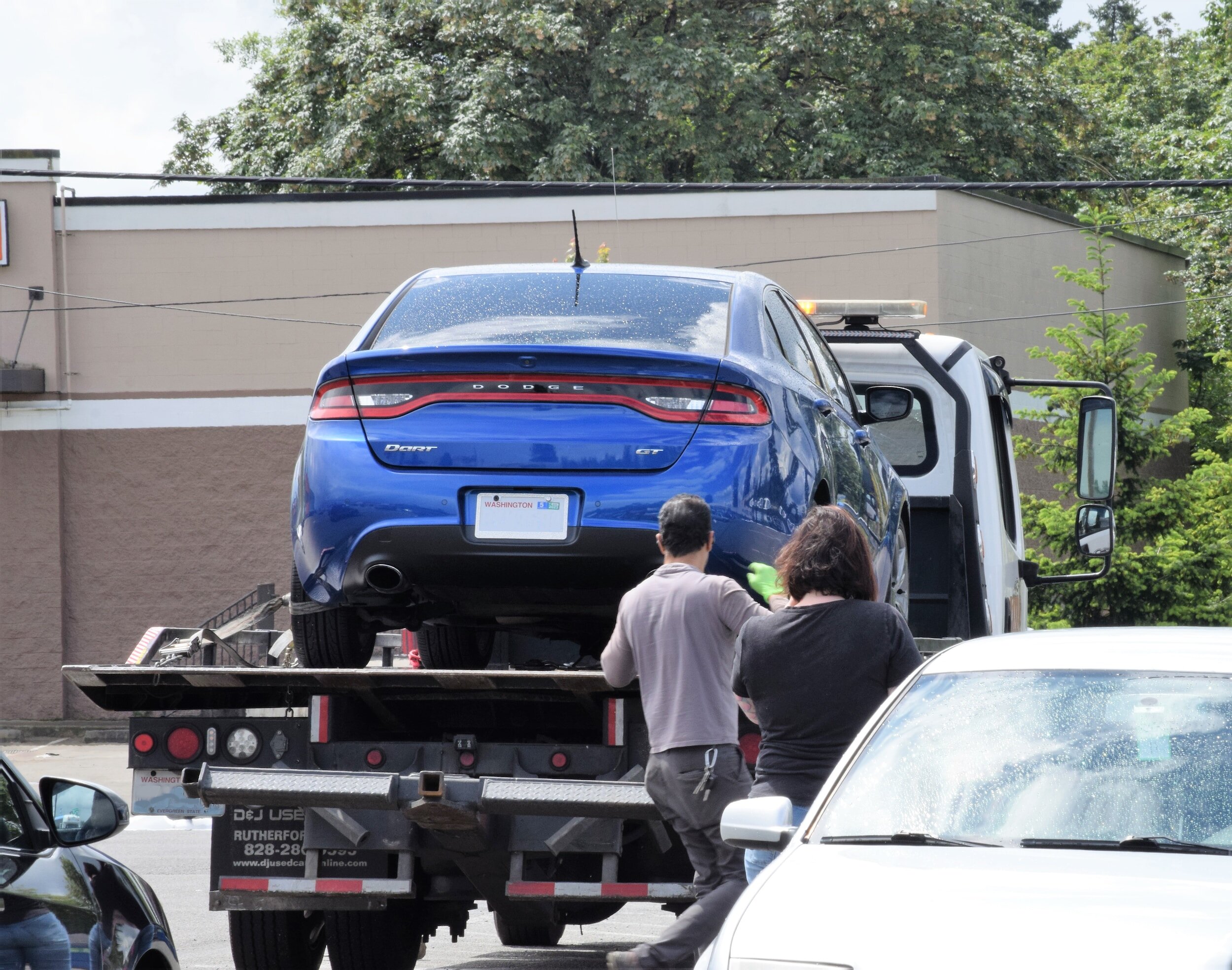
Multiple homeowners' associations (HOAs) in northeast Charlotte have been complaining about a local towing company, sparking a wave of discontent among residents. One resident characterized the company as verbally abusive, highly aggressive, and remarkably rude, adding to the growing chorus of disapproval. The grievances have not been confined to HOAs alone; residents in other neighborhoods, including some apartment complexes, have taken to social media to vent their frustrations about the same towing company's practices. Over the past months, the situation has escalated, with six drivers filing police reports against the company since last October. Allegations suggest that the towing company has violated Charlotte's towing rules, such as only accepting one form of payment and failing to meet the required 45-minute release time for impounded vehicles. In response to these complaints, a reporter contacted the towing company and spoke with the alleged owner. The owner defended the company's actions, claiming that HOAs and apartment complexes had hired them to be aggressive in enforcing parking rules. He also refuted the payment-related allegations, stating that they accept multiple forms of payment after verifying their legitimacy. Regarding the 45-minute release time, the owner clarified that they do not monitor the lot around the clock but assured that if people call in advance, they make sure someone is available within the stipulated timeframe. The contentious situation has raised questions about the balance between enforcing parking rules and maintaining respectful practices in the community. As residents continue to voice their concerns and seek resolution, local authorities may play a critical role in addressing the issues and ensuring fair practices in towing operations within the area.

Man says hoa used drone to spy on his home
In a contentious legal battle spanning 17 years, a Michigan homeowner has become the center of controversy, raising concerns among neighbors and local officials. At the heart of the matter are the number of cars the homeowner keeps on his property, which sparked a legal challenge from the township in 2007. Over the years, the legal dispute has seen twists and turns, with the homeowner prevailing in the initial legal challenge. However, the township revisited its concerns a decade later and took a controversial step to gather evidence. According to court documents, the township hired a drone operator on multiple occasions in 2017 and 2018 to conduct aerial surveillance of the owner’s property, seeking to obtain a bird's-eye view to establish violations. The resident’s legal team argued that the use of drones crossed the line of unreasonable searches, infringing upon the Fourth Amendment rights of privacy. They contend that the vehicles on the property were not visible from the ground, and the drone surveillance constituted an invasion of their privacy. The case has seen varying views from different courts, culminating in a recent 2 to 1 legal defeat for the homeowner in the State's Court of Appeals. In response, they have filed an appeal with the Michigan Supreme Court, which has just announced its decision to take up the case. As the legal battle continues, both sides await the Michigan Supreme Court's decision, which has the potential to shape future discussions on the boundaries of privacy and drone surveillance in the state and beyond.

HOA Bills Seek To Prevent Bullying Of Board, Move More Communications Online
Lawmakers in Nevada are currently in the midst of reviewing several community association bills aimed at improving the operations of homeowners associations (HOAs) and ensuring the well-being of residents. These proposed measures encompass a wide range of areas, including records review, board service, false affidavits, bullying, and the digitization of elections. With common-interest communities experiencing significant growth across the country, these reforms hold great significance for the more than 500,000 Nevada residents residing in over 3,000 HOAs statewide. One of the proposed bills focuses on raising the rate for a records review to $25 per hour. By providing fair compensation for this service, the legislation aims to facilitate a more efficient and transparent access to HOA records, benefiting residents and enhancing overall governance. In addition, lawmakers are considering measures to restrict board service for individuals who have filed false affidavits with the state. If approved, members who knowingly submit a false or fraudulent affidavit to the Real Estate Division more than once could face a ban of up to ten years from running for an executive board seat in their HOA. This penalty, in addition to the existing maximum administrative fine of $1,000, aims to underscore the importance of honesty and integrity in HOA affairs. The initial bill also included provisions against bullying, which encompassed various forms of harmful behavior such as written, verbal, or electronic expressions, physical acts, and gestures directed at individuals or groups. However, the bill’s latest version no longer includes these specific provisions. Nonetheless, lawmakers remain committed to promoting safe and respectful environments within HOAs. Furthermore, a separate bill aims to facilitate the delivery of non-legally binding notices via email while enforcing robust cybersecurity measures for online payments. This proposal recognizes the prevalence of electronic communication and seeks to streamline administrative procedures while safeguarding sensitive information. As Nevada lawmakers continue to deliberate these community association bills, they are poised to shape the future of HOA governance, prioritizing transparency, participation, and cybersecurity. These reforms respond to the growing demand for effective residential governance models and reflect Nevada residents' evolving needs and aspirations in their common-interest communities.

Greensboro City Council Approves New Rules For Short-Term Rentals
Greensboro, N.C., has approved an ordinance to regulate short-term rentals listed on platforms like Airbnb. The newly introduced amendments encompass several provisions, such as a requirement for a minimum spacing of 750 feet between rentals, parking limitations, and the removal of the two-night minimum stay. It's important to note that the ordinance respects the authority of homeowners' associations to enforce their own rules. The effective date of the ordinance is slated for January 1, 2024, and while it is subject to potential future modifications, it currently lacks a specific policy for selecting short-term rental candidates within the 750-foot range. As a part of the new regulations, short-term rentals in Greensboro will now be required to register, allowing the city to have a clearer understanding of the number of such rentals within its jurisdiction.

Marshall Fire-Affected HOA May Be First In Colorado To Allow Metal Fencing
A homeowner’s association (HOA) comprising 2,800 homes in Boulder County, Colorado may be the first association in Colorado to make the switch to fire-proof fencing as a replacement for the charming cedar fencing. This decision comes as a response to a destructive wildfire that ravaged the community in 2021, causing extensive damage to numerous homes. The lengthy 15-month process leading up to this decision has been deemed courageous by town leaders in Superior, Colorado. Survivors of the Marshall Fire have been anxiously awaiting the outcome of the vote. Rebuilding efforts are currently underway along the path of the devastating fire. While progress has been made in terms of frames, roofing, and landscaping, fencing has often been put on hold. On December 30, 2021, just before lunchtime, hurricane-force wind gusts ignited dry grasses, which quickly spread the flames to the wooden fences surrounding every home in Superior's Rock Creek subdivision. The HOA had mandated cedar fences 25 years ago, and to this day, all fences stand at a height of six feet, painted in the color "Cabot dune grey." The decision to explore non-combustible materials for fencing has caught the attention of other HOAs facing similar concerns. They are closely observing the outcome of this pioneering initiative to determine the potential benefits of transitioning to fire-proof materials. This HOA in Colorado serves as a trailblazer in considering metal fire-proof fencing to enhance the community's safety and resilience in the face of future fire risks. By re-evaluating their fencing requirements, they aim to mitigate the destructive impact of wildfires and protect the homes and residents of the Rock Creek subdivision.