
North Carolina Supreme Court Affirms Homeowners’ Rights to Install Solar Panels in HOAs
In a landmark decision, the North Carolina Supreme Court upheld homeowners’ rights to install rooftop solar panels even if their HOA initially opposed the project. The ruling clarifies that broad ARC authority cannot be used to effectively prohibit solar installations under the state’s Solar Access Law; restrictive covenants must not have the effect of preventing reasonable solar use.
This decision is significant for boards and homeowners alike, since nearly 40% of North Carolinians live in HOAs and solar requests are one of the fastest-growing modification categories. While associations can still adopt reasonable aesthetic and placement standards, they cannot impose rules that make solar infeasible and must update their guidelines to reflect legal protections and avoid costly legal challenges.
Let us know your thoughts by leaving a comment at HOACommunityLeaders.com.

North Carolina Legislature Proposes Structured Timelines for Architectural Requests
In North Carolina, a 2025 bill now gives HOA boards a defined 90-day period to act on architectural or exterior modification requests — including paint, roofing, fences, and solar installations. The legislation also mandates that any denial must be in writing with stated reasons and include a process for reconsideration.
For communities struggling with inconsistent reviews or uncommunicated denials, this change could significantly reduce disputes and legal exposure. The requirement for written denials with reasoning supports more transparent Architectural Review Committee operations and aligns closely with best practices for ARC timelines and documentation.
Let us know your thoughts by leaving a comment at HOACommunityLeaders.com.

New California Law Restricts HOA Fines to $100 Per Violation
A recently enacted California state law caps homeowners association fines at $100 per violation — eliminating late fees and interest — a dramatic change from the previously common hundreds or thousands of dollars in penalties. Boards and attorneys say the move aims to protect homeowners from disproportionate enforcement while critics worry it may weaken HOA rule compliance, making enforcement of architectural standards — like paint, roofing or exterior changes — harder in contentious situations.
Some HOA leaders express concern that reduced fines will limit a board’s leverage to enforce community standards, potentially pushing more disputes into mediation or court rather than voluntary compliance. Homeowners, on the other hand, view the change as a check on boards’ authority, particularly for subjective issues like exterior colors or modifications.
Let us know your thoughts by leaving a comment at HOACommunityLeaders.com.
New Jersey Strengthens Capital Reserve Study Requirements
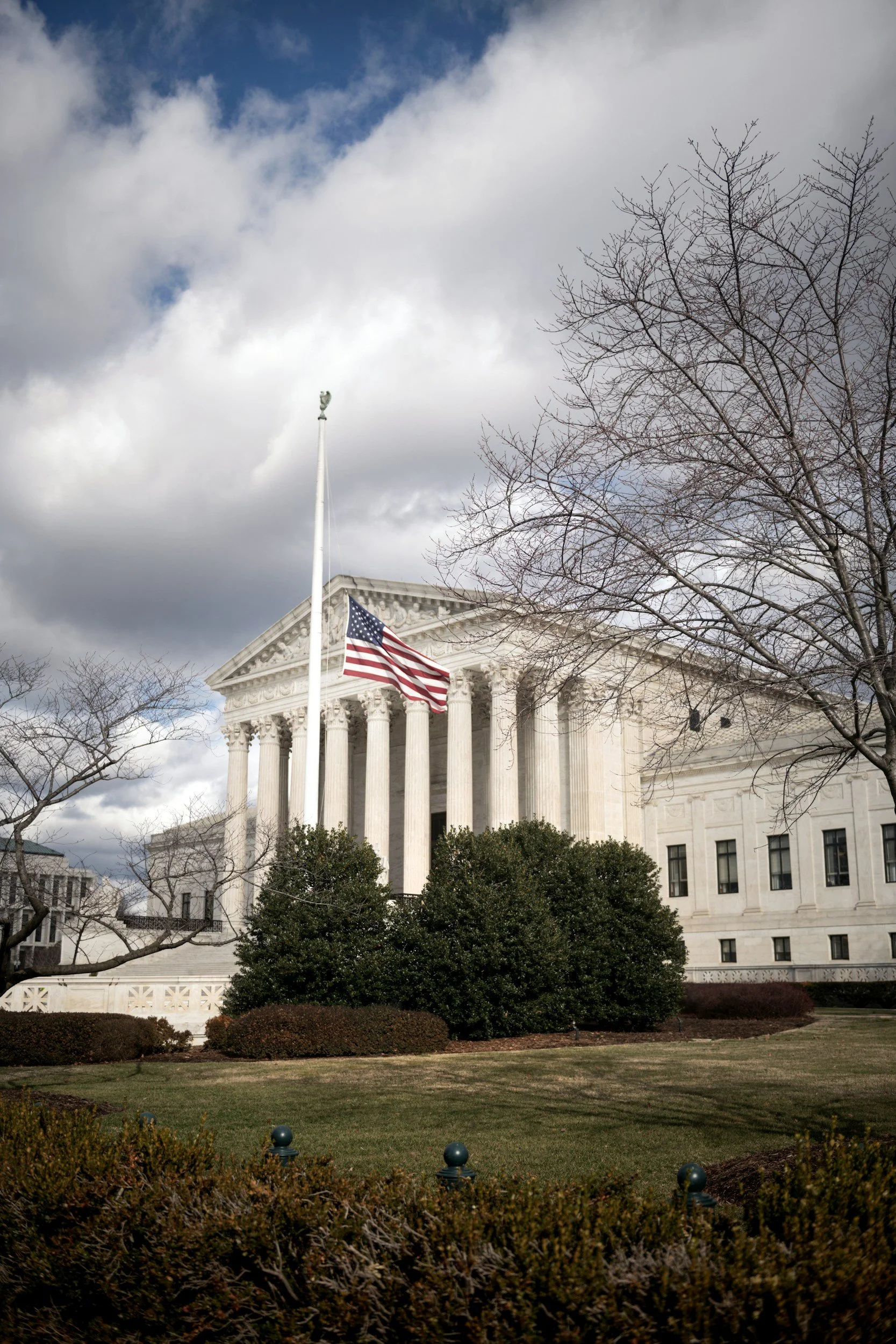
New Jersey has enacted legislation that significantly strengthens capital reserve study and funding requirements for community associations. The updated law mandates more detailed long-term funding projections and requires associations to demonstrate that reserve balances will not fall below zero at any point in the planning horizon. Legal experts note that while the law applies only to New Jersey, it reflects a broader national trend toward stricter financial oversight and accountability for association boards. Observers believe similar legislative efforts could emerge in other states as infrastructure ages and financial transparency becomes a higher priority.
Let us know your thoughts by leaving a comment at HOACommunityLeaders.com.
HOA Buyers Wary of Surprise Costs Now Have a Safety Net
As buyers grow increasingly cautious about purchasing homes in associations with underfunded reserves, new solutions are emerging to address the risk. According to RealEstateNews.com, roughly seventy percent of HOAs nationwide fall short of recommended reserve funding levels. A new warranty-style product is now offering buyers protection against unexpected special assessments tied to poor reserve planning. Industry professionals say this trend highlights a growing market expectation for transparency and financial stability — and it sends a clear message that reserve health directly impacts buyer confidence and marketability.
Let us know your thoughts by leaving a comment at HOACommunityLeaders.com.

Commission Says HOAs Are Not Properly Funding Reserves
Industry experts are sounding the alarm as many homeowner associations across the country continue to underfund their reserve accounts. A recent report highlights that boards often focus on keeping monthly dues low while failing to adequately plan for long-term capital expenses. The result is deferred maintenance, emergency repairs, and sudden special assessments that catch homeowners off guard. Professionals emphasize that reserve studies are only effective when boards actually follow their funding recommendations. Without disciplined planning and annual review, communities risk financial instability and loss of owner confidence.
Let us know your thoughts by leaving a comment at HOACommunityLeaders.com.
Courts Push HOA Disputes Toward Mediation
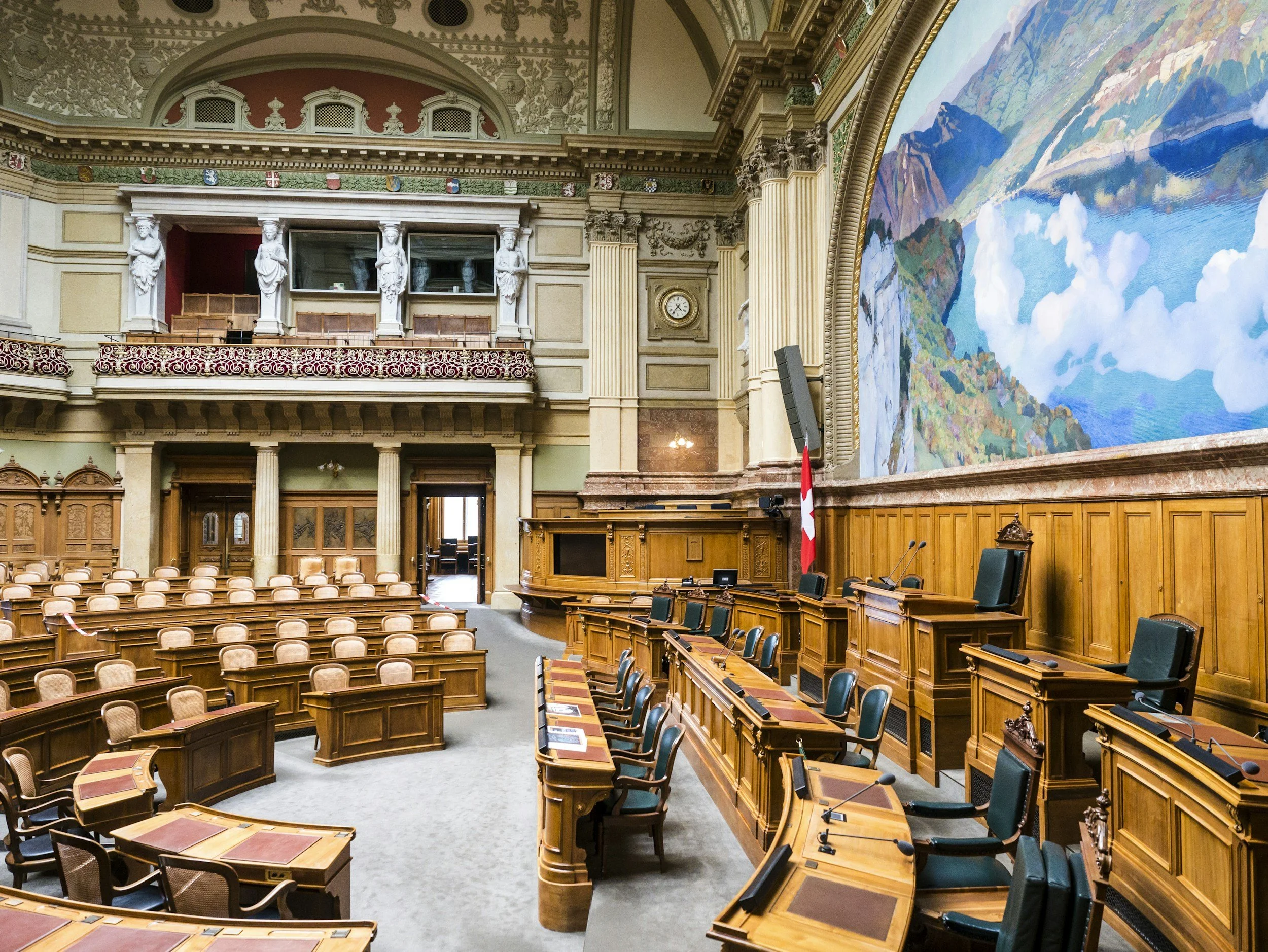
Courts nationwide are increasingly encouraging mediation before HOA disputes proceed to litigation. Judges cite cost, community damage, and clogged court systems.
Mediation allows creative solutions, faster outcomes, and preserved relationships. Associations that skip mediation risk appearing unreasonable if disputes reach court.
Let us know your thoughts by leaving a comment at HOACommunityLeaders.com.
States Reevaluate HOA Fine Limits
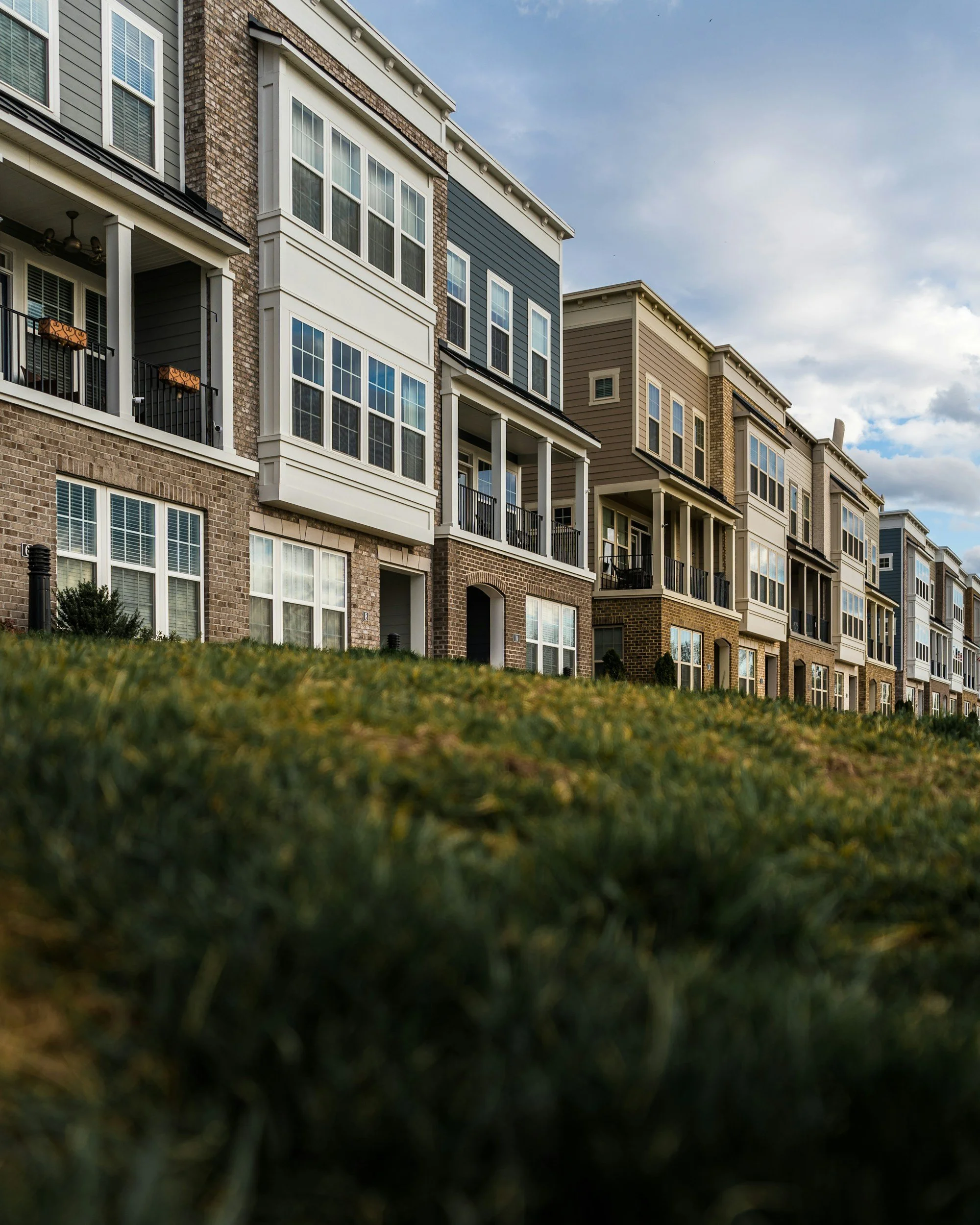
Several states are considering legislation to limit HOA fines following homeowner complaints of excessive penalties. Proposed reforms include longer cure periods, fine caps, and stricter notice requirements.
Lawmakers say enforcement should prioritize communication and voluntary compliance. Legal analysts warn that misuse of fines invites regulatory scrutiny and weakens board authority.
Let us know your thoughts by leaving a comment at HOACommunityLeaders.com.

North Carolina HOA Penalized for Improper Due Process
A recent North Carolina case highlights the risks of improper HOA enforcement after a court ruled that an association imposed fines without adequate notice or a meaningful hearing. The HOA issued escalating penalties while failing to follow its own governing documents.
The court emphasized that boards must not predetermine outcomes and must clearly communicate violations, hearing rights, and decisions. Legal experts say the ruling reinforces that enforcement authority depends on fairness and consistency—not speed or frustration.
Let us know your thoughts by leaving a comment at HOACommunityLeaders.com.
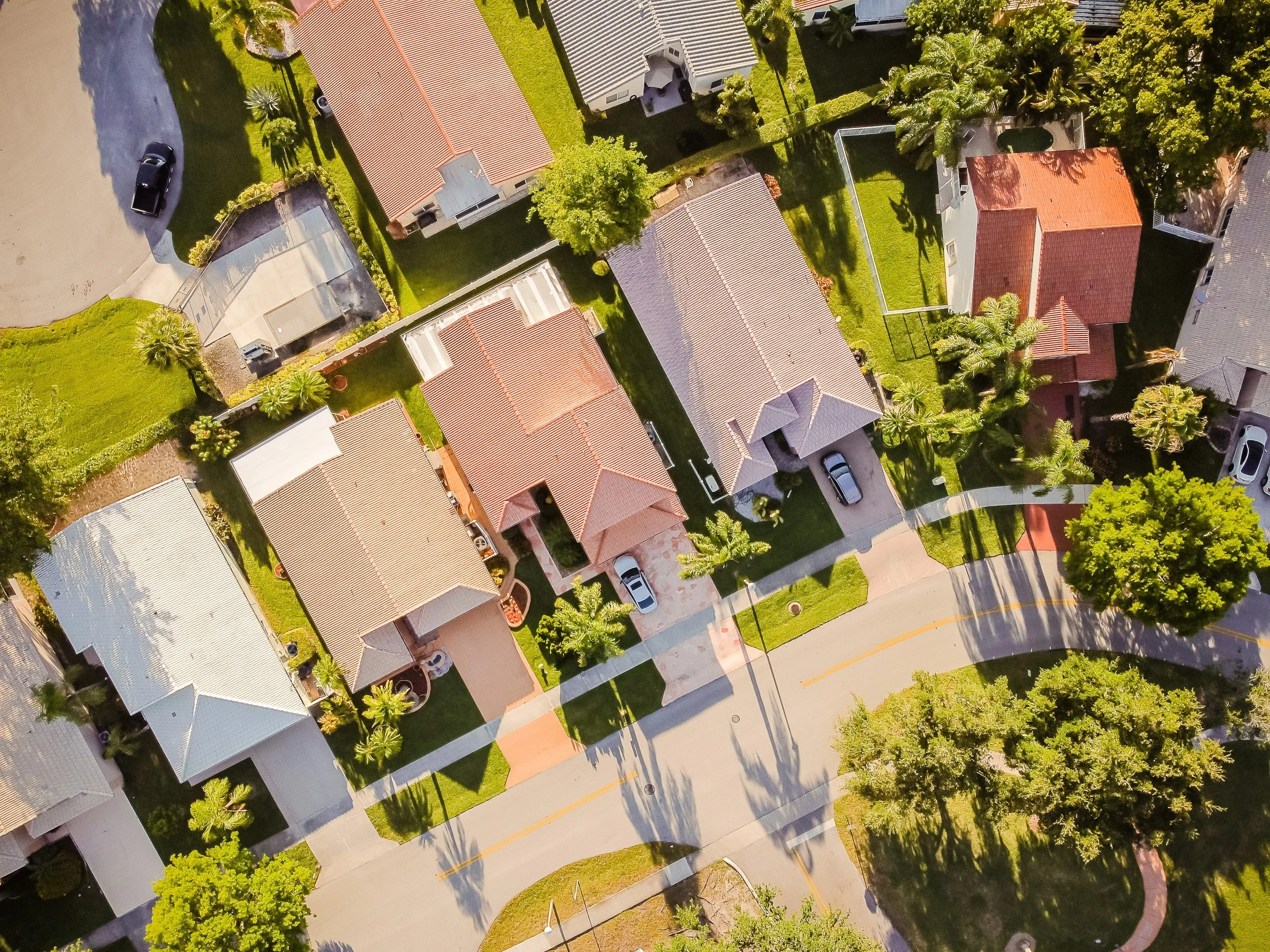
Raleigh Homeowners Push HOA to Act After Drainage Damage
Homeowners in a Raleigh-area community are calling attention to long-standing drainage issues after repeated flooding damaged lawns, sidewalks, and nearby structures. Residents say standing water persisted after storms for years, raising concerns about safety, mosquito activity, and long-term infrastructure deterioration.
Following sustained homeowner pressure, the association approved drainage improvements, including regrading and installation of additional stormwater controls. Engineers noted that earlier intervention would have significantly reduced repair costs.
This situation serves as a reminder that drainage problems rarely resolve themselves. Proactive inspections and early corrective action can prevent disputes, protect property values, and reduce liability exposure for boards.
Let us know your thoughts by leaving a comment at HOACommunityLeaders.com.

North Carolina Lawmakers Renew Push for HOA Reform Legislation
North Carolina lawmakers are once again advancing legislation aimed at reforming how homeowners associations operate across the state. The proposed bills focus on increased transparency, limits on fines and foreclosures, clearer budgeting practices, and restrictions on long-term management contracts without homeowner input.
Supporters argue the reforms would protect homeowners and encourage better governance, while critics caution that reduced flexibility could make it harder for associations to maintain infrastructure, respond to emergencies, and fund long-term capital projects.
For HOA boards, this renewed legislative effort underscores the importance of clear documentation, homeowner communication, and reserve planning. Changes in state law could directly impact how boards budget for drainage systems, storm repairs, and major common-area maintenance projects.
Let us know your thoughts by leaving a comment at HOACommunityLeaders.com.

South Carolina HOA Sues School District Over Years of Flooding Damage
A Midlands South Carolina homeowners association has filed a lawsuit against Richland School District One, alleging that improper stormwater management from a former construction site caused years of repeated flooding in their neighborhood. Residents say runoff from the unfinished project overwhelmed existing drainage systems, leading to saturated yards, roadway deterioration, and water intrusion near homes.
According to the lawsuit, the HOA claims the school district failed to properly manage grading and runoff, shifting the burden — and the cost — of drainage problems onto nearby homeowners. The association is seeking damages and a permanent fix to redirect stormwater away from the community.
This case highlights a growing issue for HOAs across the Carolinas: when outside development impacts association infrastructure, boards must act quickly to document damage, involve engineers, and protect the association’s financial and legal interests.
Let us know your thoughts by leaving a comment at HOACommunityLeaders.com.

California ADU law could inadvertently create housing issues
A 2024 California law allows homeowners to divide their property and sell ADUs like condos, meaning sellers and buyers would need to create an HOA and decide on ways to take care of the property. The law aims to make housing more affordable, but it could lead to drawbacks, such as overcrowded neighborhoods, parking challenges and a multiyear conversion process. Also, some cities are unprepared for the law's implementation, says real estate agent Lindsey Harn.

What rights does accused have in disciplinary hearings?
Disciplinary hearings in California aren't like criminal court proceedings, so an accused owner can't demand that an HOA require the complainant to be present at their hearing. The procedure for such hearings and the "due process" are meant to be simple, so there's no right to a jury or counsel and no right to cross-examine witnesses. However, as a best practice, HOAs can implement written hearing procedures so owners and board members know what to expect, says Kelly Richardson, a Fellow of the College of Community Association Lawyers.

Conflicting federal policies may cost residents more on flood insurance, and leave them at risk
Conflicting federal policies reportedly may cause thousands of residents in flood-prone areas to face higher flood insurance costs or remain unaware of the risks posed by nearby upstream dams. Challenges occur because FEMA's points-based rating system requires communities to acquire info to map and warn about potential dam failures to get the best insurance discounts, but other federal agencies restrict the release of vital info. For example, Fort Collins, Colo., earned the most points of any community but still failed to get the maximum discounts because it didn't have enough info about dams.

Why Arizona homeowners may have higher HOA dues
Homeowners in Arizona, reportedly the second most expensive state in the US for HOA fees, are experiencing steep hikes in their fees, driven by escalating insurance costs. An HOA can see its insurance premium jump anywhere from 20% to 300% because of just one or two claims, with one HOA experiencing a premium increase from $60,000 to $249,000 annually, according to a board member. To mitigate future claims and fee increases, some boards are mandating owners to replace water heaters every seven years and use smoke and fire alarms.

Condo's 650 owners may be forced to leave over safety law
More than 650 condo owners at Florida's Commodore Plaza are concerned about having to leave their units due to a past due 40-year building recertification and an upcoming Miami-Dade County unsafe structures hearing. Residents have faced a lack of transparency from the COA and have filed complaints with the state, which has yet to respond satisfactorily. Lawmakers are exploring changes to the new condo law requiring reserve funds for structural repairs to help prevent residents from becoming homeless due to financial strains.

San Francisco's Millennium Tower owners could face $10k fine for open windows
San Francisco's Millennium Tower, known for its structural issues, faces new challenges as the board considers fining unit owners up to $10,000 for leaving windows open during high winds. Despite a city mandate to install stronger window support arms, progress has been slow, with only a third of the windows upgraded. Also, the COA has been hit with a $7 million lawsuit from an owner over regular plumbing backups, which some experts link to the condo's leaning and sinking problems.

Five recommendations North Carolina lawmakers may consider to tackle HOA disputes
The article from NC Newsline outlines five recommendations that North Carolina lawmakers might consider to resolve disputes within homeowners associations (HOAs). These suggestions aim to enhance clarity, fairness, and accountability in HOA operations. The proposed measures include improving transparency in financial dealings, enforcing more straightforward communication channels between homeowners and HOA boards, and instituting clearer guidelines for dispute resolution. These changes are intended to reduce conflicts and ensure smoother governance within HOA communities.

Can HOA boards skip meetings and elections?
The article on WCNC discusses the legal obligations of homeowners associations (HOAs) regarding the holding of annual meetings and elections. It emphasizes that state laws typically mandate these associations to conduct annual meetings to ensure transparency and member participation in governance. These meetings are crucial for electing the HOA board and addressing community concerns, reinforcing the democratic process within residential communities.