
Reserve Studies, Long-Term Funding & Assessment Strategies
Listen Now
Strong reserves aren’t just numbers on a spreadsheet—they’re the backbone of a stable, thriving community. In this episode, we break down how smart planning, disciplined funding, and transparent communication keep your HOA financially healthy and homeowners confident.
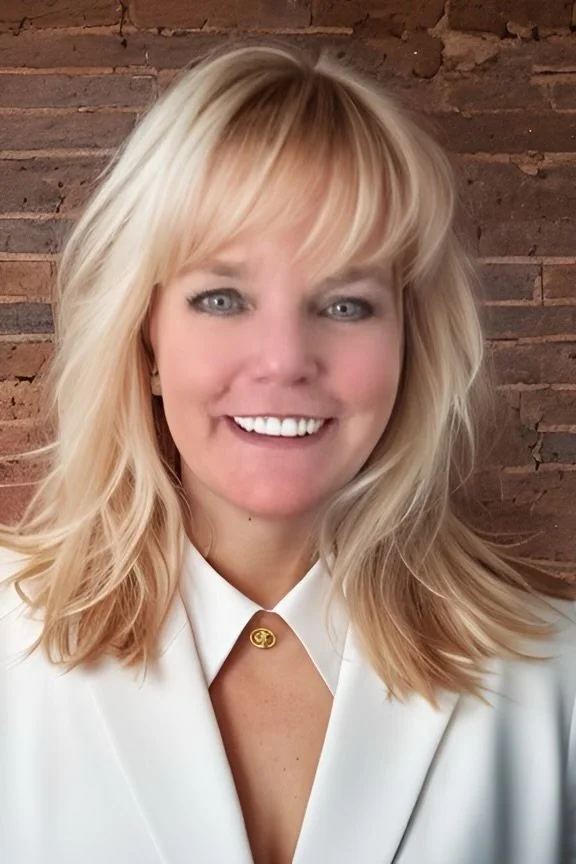
Dacy Cavicchia serves as the esteemed President at AMG, boasting an impressive tenure of over 29 years within the organization. Acknowledged by the Community Associations Institute (CAI), Dacy stands as a distinguished Professional Community Association Manager (PCAM), an accolade representing the pinnacle of excellence in the industry. Although primarily rooted in AMG's Charlotte office, Dacy's purview extends beyond borders as she orchestrates the guidance of managers and staff across all three of the company's locations. Her expertise is concentrated in the domains of organizational architecture, adept communications, and the intricate realm of construction defects. In addition to her PCAM distinction, Dacy's professional repertoire showcases her possession of the esteemed Certified Manager of Community Associations (CMCA) and the revered Association Management Specialist (AMS) designations. These multifaceted accomplishments underscore her unwavering dedication to advancing both her own proficiency and the collective success of AMG. Dacy's enduring commitment to AMG's growth and her profound industry insights have solidified her as an exemplar of leadership and expertise in the community association management landscape.
To view our AMG Community Leaders Material from this episode,
click here or on the image.

-
Scene 1: Speaker:
Scene 2: Speaker:
It's time for AMG's 2025 Community Leaders Series – Podcast Edition.
For more than four decades, AMG has worked to make the role of community leaders more effective — and less of a headache.
Scene 3: Speaker:
Seminar topics are a response to which our Executive Board members have requested.
And now here's your host and President of AMG, Dacy Cavicchia.
Scene 4: Speaker: Dacy Cavicchia
Thank you, and welcome everyone. I'm Dacy Cavicchia, President of AMG, and I'm glad you're joining us for this important conversation.
Today, we're talking about reserve studies, long-term funding, and assessment strategies—topics that may not sound exciting at first, but I can tell you from experience, they are some of the most important responsibilities any board will ever take on.
Scene 5: Speaker: Dacy Cavicchia
When reserves are healthy and well planned, communities feel stable. Boards feel confident. Homeowners trust leadership. But when reserves are ignored or underfunded, that's when we see stress, conflict, and unfortunately, surprise special assessments.
Our goal today is simple:
To help you understand how reserve studies work, how to fund them responsibly, and how to protect your community from financial shock. Especially here in North and South Carolina, where weather, aging infrastructure, and insurance pressures play a major role.
Scene 6: Speaker: Dacy Cavicchia
Let's start by clearing up a common misunderstanding.
Scene 7: Speaker: Dacy Cavicchia
A reserve study is not just a report you order to check a box. It's a financial planning tool—one that helps your board prepare for the future in a realistic, responsible way.
A proper reserve study answers three key questions:
First, what assets does the association own?
We're talking about roofs, siding, pavement, elevators, pools, clubhouses, stormwater systems—anything the association is responsible for repairing or replacing.
Second, how long will those components last?
Every component has a useful life. Roofs don't last forever. Asphalt doesn't either—especially not in the Carolina heat.
Third, how much will it cost to repair or replace them when the time comes?
When you put those answers together, you get a roadmap that shows:
• What expenses are coming
• When they're likely to happen
• And how much money you should be setting aside each year
Scene 8: Speaker: Dacy Cavicchia
Now, here's something important for boards in North and South Carolina:
Our climate accelerates wear and tear. Humidity, hurricanes, coastal salt air, and intense summer heat shorten the lifespan of many components. That means reserve studies here must be updated regularly and tailored to regional conditions—not copied from a generic template.
Scene 9: Speaker: Dacy Cavicchia
We're going to take a quick break from the AMG Community Leaders Series and go to an interesting newsbreak that directly impacts how associations plan, fund, and protect their financial future. Stay with us.
Scene 10: Speaker:
And now it's time for your HOA Solutions Today Newsbreak.
Speaker:
Industry experts are sounding the alarm as many homeowner associations across the country continue to underfund their reserve accounts. A recent report highlights that boards often focus on keeping monthly dues low while failing to adequately plan for long-term capital expenses. The result is deferred maintenance, emergency repairs, and sudden special assessments that catch homeowners off guard. Professionals emphasize that reserve studies are only effective when boards actually follow their funding recommendations. Without disciplined planning and annual review, communities risk financial instability and loss of owner confidence.
Let us know your thoughts by leaving a comment at HOACommunityLeaders.com.
Scene 11: Speaker: Dacy Cavicchia
Well, thank you everybody — we're back. That story reinforces something we see every day at AMG: reserve funding isn't optional, it's a responsibility. When boards ignore reserve recommendations, the consequences usually show up later as stress, conflict, and emergency decisions.
Now, Let's talk about what happens when reserves are underfunded.
Scene 12: Speaker: Dacy Cavicchia
At AMG, we often get calls that start with,
"We didn't expect this,"
or
"We thought we had more time."
Underfunded reserves usually lead to three outcomes.
Scene 13: Speaker: Dacy Cavicchia
First, deferred maintenance.
Boards delay projects because the money isn't there. Roofs leak longer. Pavement deteriorates further. Small problems become big ones—and expensive ones.
Scene 14: Speaker: Dacy Cavicchia
Second, special assessments.
When a major expense hits and reserves aren't ready, boards have no choice but to ask homeowners for large lump-sum payments. These are often unexpected, unpopular, and financially stressful for residents—especially retirees or fixed-income owners.
Scene 15: Speaker: Dacy Cavicchia
Third, declining property values.
Lenders, buyers, and insurers all look closely at reserve funding. Poor reserves can lead to loan denials, insurance challenges, and reduced marketability of homes.
In the Carolinas, we've seen this play out after hurricanes and severe storms. Communities with strong reserves recover faster and with less conflict. Communities without them face years of financial strain.
Scene 16: Speaker: Dacy Cavicchia
We're going to step away briefly and bring you another HOA Solutions Today Newsbreak — this one showing how reserve funding now affects buyers, lenders, and property values.
Scene 17: Speaker:
And now it's time for your HOA Solutions Today Newsbreak.
Speaker:
As buyers grow increasingly cautious about purchasing homes in associations with underfunded reserves, new solutions are emerging to address the risk. According to RealEstateNews.com, roughly seventy percent of HOAs nationwide fall short of recommended reserve funding levels. A new warranty-style product is now offering buyers protection against unexpected special assessments tied to poor reserve planning. Industry professionals say this trend highlights a growing market expectation for transparency and financial stability — and it sends a clear message that reserve health directly impacts buyer confidence and marketability."
Let us know your thoughts by leaving a comment at HOACommunityLeaders.com.
Scene 18: Speaker: Dacy Cavicchia
Welcome back. That story really shows how reserve funding has moved beyond the boardroom. Buyers, lenders, and insurers are paying attention — and communities with weak reserves are starting to feel it in real dollars and lost opportunities.
Scene 19: Speaker: Dacy Cavicchia
So how do you fund reserves the right way?
There are three common funding models.
Baseline funding keeps reserves just above zero.
This is risky and often leads to special assessments.
Threshold funding maintains a minimum balance for safety.
It's better, but still requires careful monitoring.
Full funding aims to match reserve balances with projected needs over time.
This is the healthiest long-term approach and what most reserve professionals recommend
Scene 20: Speaker: Dacy Cavicchia
Now, full funding doesn't mean overcharging homeowners.
It means planning ahead, spreading costs fairly over time, and avoiding financial surprises.
In North and South Carolina communities, we often recommend gradual increases instead of sharp jumps. A small annual increase is much easier for homeowners to absorb than a sudden $5,000 assessment.
Scene 21: Speaker: Dacy Cavicchia
Let's talk about assessments—because they don't have to be scary.
Scene 22: Speaker: Dacy Cavicchia
The best boards treat assessments as predictable tools, not emergency measures.
That starts with transparency.
Share reserve study findings with homeowners. Explain what's coming and why.
Next is timing.
Plan assessments well in advance. Avoid surprises whenever possible.
And finally, fairness.
Assessments should reflect actual needs and be spread equitably among owners.
Scene 23: Speaker: Dacy Cavicchia
We've seen Carolina communities succeed by tying assessment discussions directly to reserve study updates. When owners see the data, they're far more likely to support responsible funding decisions.
Scene 24: Speaker: Dacy Cavicchia
Before we wrap up today's discussion, let's go to one more HOA Solutions Today Newsbreak that gives us a look at where reserve planning requirements may be headed nationally.
Scene 25: Speaker:
And now it's time for your HOA Solutions Today Newsbreak.
Speaker:
New Jersey has enacted legislation that significantly strengthens capital reserve study and funding requirements for community associations. The updated law mandates more detailed long-term funding projections and requires associations to demonstrate that reserve balances will not fall below zero at any point in the planning horizon. Legal experts note that while the law applies only to New Jersey, it reflects a broader national trend toward stricter financial oversight and accountability for association boards. Observers believe similar legislative efforts could emerge in other states as infrastructure ages and financial transparency becomes a higher priority.
Let us know your thoughts by leaving a comment at HOACommunityLeaders.com.
Scene 26: Speaker: Dacy Cavicchia
And we're back. That final story is a strong reminder that smart boards don't wait for legislation to force good behavior. Proactive reserve planning, transparent communication, and disciplined funding protect communities long before laws ever come into play.
Let's take those lessons and bring them back into today's conversation as we focus on best practices and long-term success.
Scene 27: Speaker: Dacy Cavicchia
To wrap up the educational portion, here are best practices we recommend at AMG,
Update your reserve study every three to five years—or sooner after major projects or storms
Review reserve contributions annually as part of your budget process
Work with professionals who understand Carolina construction costs and climate impacts
Healthy reserves don't happen by accident. They're the result of intentional planning, consistent funding, and clear communication.
Scene 28: Speaker
Scene 29: Speaker: Dacy Cavicchia
In closing, reserve studies and long-term funding aren't just financial exercises—they're about stewardship.
As board members and community leaders, you're protecting not only physical assets, but the financial well-being of every homeowner in your community.
When you plan ahead, fund responsibly, and communicate openly, you build trust—and that trust makes every other aspect of governance easier.
Thank you for your time, your service, and your commitment to your communities.
Scene 30: Speaker:
Thanks for listening to AMG's 2025 Community Leaders Series Podcast Edition.
To find out more information on this episode, please visit HOACommunityLeaders.com.
This podcast is a production of BG Ad Group.
All rights reserved.
-
Well-funded reserves prevent surprise special assessments and costly emergency repairs.
Regularly updated reserve studies give boards a clear roadmap for long-term financial planning.
Transparent communication with homeowners builds trust and support for responsible funding decisions.
-
Commission Says HOAs Are Not Properly Funding Reserves
A recent report warns that many HOAs are underfunding reserve accounts, prioritizing low dues over long-term planning. This leads to deferred maintenance, emergency repairs, and surprise special assessments, highlighting the need for boards to follow reserve study recommendations and maintain disciplined financial planning.
HOA Buyers Wary of Surprise Costs Now Have a Safety Net
Homebuyers concerned about underfunded HOA reserves now have protection through a new warranty-style product that covers unexpected special assessments. The trend underscores the importance of reserve transparency and financial stability, which directly affect buyer confidence and property marketability.
New Jersey Strengthens Capital Reserve Study Requirements
New Jersey has passed laws tightening capital reserve study and funding rules, requiring detailed long-term projections and assurances that reserves won’t run negative. Experts say this reflects a national trend toward greater financial oversight and accountability for HOA boards, with similar measures possible in other states.